



A clothing store has a harder time selling online than a store selling mugs, for one reason: people can't try things on. Everything that stands in for the fitting room, meaning well-built variants, a size guide, on-body photos and painless returns, matters more than the homepage. Those are the parts we build first.
One product, several variants
A T-shirt in four sizes and three colors is one product with twelve variants, not twelve products. The shopper sees a single page, picks color and size, and the photo changes when the color does. Sizes that are out of stock show as sold out instead of vanishing, so people know the item exists.
Google works the same way. For structured data, it recommends grouping variants in a ProductGroup, with a variesBy property that says how they differ (size, color, material) and one shared ID for the whole group. In Merchant Center, size is required for clothing and shoes in free listings, and you can also send the size system (EU, UK, US) and the size type, such as "oversize." If your store has this in its data from day one, you won't fill it in by hand when you want to show up in Google Shopping.
The size guide goes next to the size picker
An "M" isn't the same at every brand. A good size guide sits right next to the size selector, not on a separate page, and includes:
- the garment's measurements in centimeters (or inches for US shoppers): chest width, length, sleeve;
- how it fits: slim, regular or relaxed;
- a human reference: "the model is 5'11" and wears an M."
Every clear line in the guide means one less question in your inbox and, often, one less parcel coming back.
Photos do the selling
Four photos per product is usually enough: front, back, a close-up of the fabric or print, and the garment being worn. Background and lighting stay the same across the catalog, so a category page looks like a collection rather than a flea market. Colors need to be as close to real life as possible, or you'll get returns marked "didn't look like this." And compress the photos, because plenty of people shop from a phone on mobile data. We wrote about that in our article on website images.
Returns, written so anyone gets them
The rules come from Directive 2011/83/EU. Shoppers get 14 days from delivery to change their mind, no reason needed. You refund within 14 days of being told, but you can wait until the parcel is back. If you didn't inform them about the right of withdrawal, the period extends by up to 12 months. If you didn't say upfront that return shipping is on the customer, you can't charge for it.
There's also something new. Directive (EU) 2023/2673 adds a withdrawal function for contracts concluded through an online interface: a button with clear wording along the lines of "withdraw from contract here." Member states have to apply the rule from June 19, 2026. If your store was built before that, check whether it has the button.
The brand sits next to the store
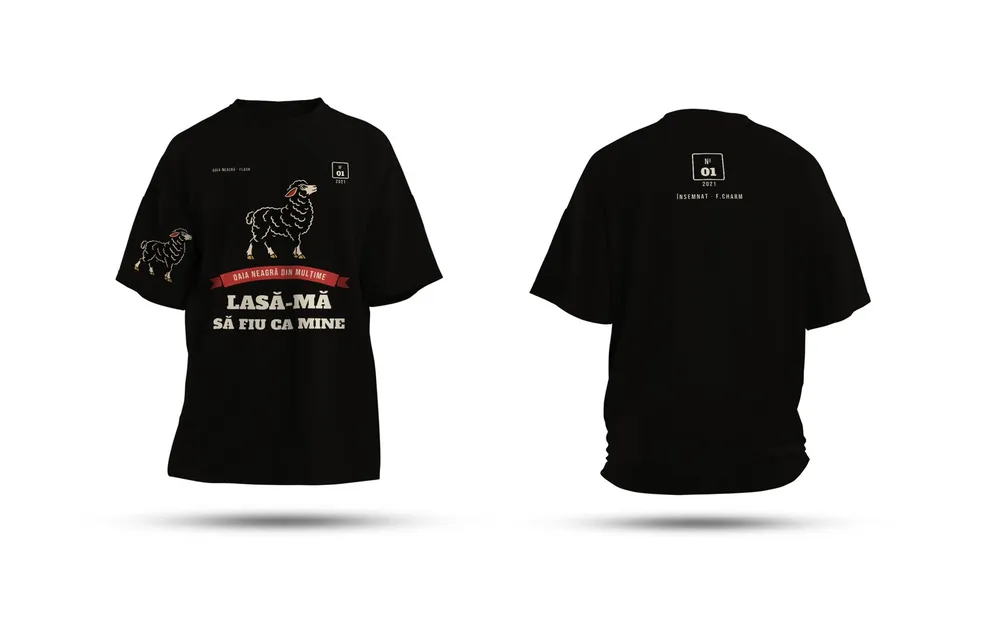
With a clothing brand, people buy the story too. Who makes the clothes, how the brand started, the collections and the events can all live on the same site as the store, in the same voice. Keep the path from story to cart short: at the end of each section, a button to the collection people just read about. And if many of your shoppers pay cash on delivery, keep that option in plain sight instead of hiding it in the last step. Our services page shows what we do for online stores.
What drives the cost
The number of products and variants, who takes the photos, the links to couriers, card payments and invoicing, and how many languages the store has. The price comes in the quote, once we've seen the catalog.
Sources
- Product variant structured data, Google Search Centralgrouping variants with ProductGroup and variesBy
- Size, Google Merchant Center Helpsize required for clothing and shoes, size system and size type
- Directive 2011/83/EU, EUR-Lexthe 14-day withdrawal period, refunds, the 12-month extension, return costs
- EUR-Lex: Directive (EU) 2023/2673new Article 11a: the online withdrawal function, applied from June 19, 2026
Checked: surse Xenia Pușcașu · editare Nora Vlăsceanu · SEO Mihnea Tăbăcaru