


A product page sells when it answers five questions without making people hunt for them: what exactly is it, will it work for me, what will it cost in total and when will it arrive, what if it's not right, and can I trust this store. Every unanswered question is a reason to close the tab. Here they are one by one, in the order shoppers ask them.
What exactly is it: the photos
In a shop, people pick the product up. Online, photos stand in for their hands. So:
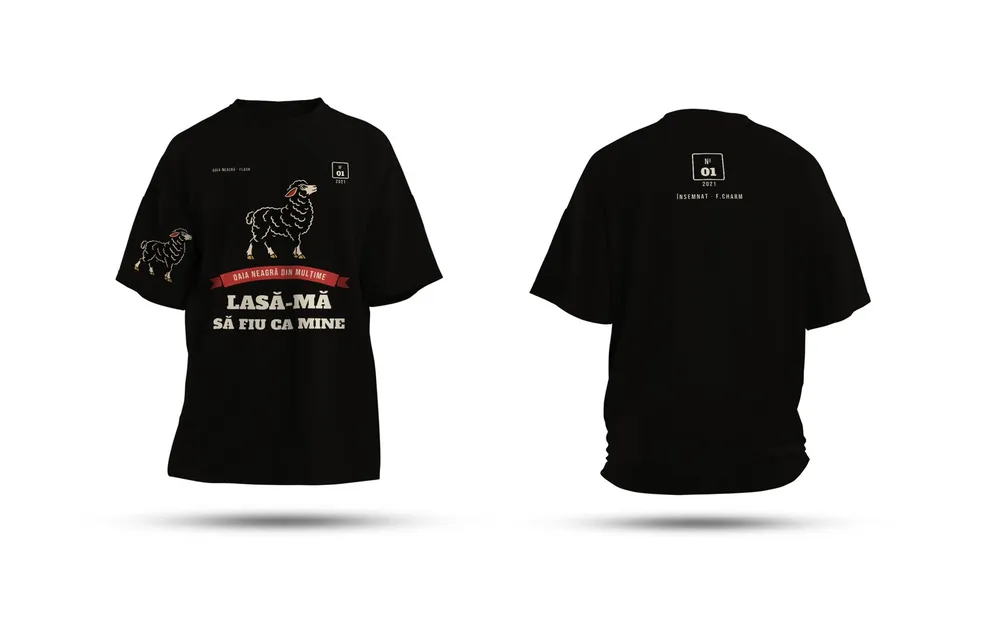
- several photos, not one: front, side, back, a close-up of the material or stitching;
- one photo for scale: the product in a hand, on a table, being worn. Written dimensions help, but a mug next to a laptop says more than "350 ml";
- true colors, shot in daylight or corrected, so returns don't come from "it looked like a different blue on screen";
- sharp, well-framed photos. Google's image guidelines say plainly that high-quality photos appeal to people more than blurry ones.
Give every photo alt text that describes what's in it ("white ceramic mug, round handle, green logo") and a file name that says what it is, not IMG_0023.jpg. It helps screen readers and image search alike.
Will it work for me: the details
The first lines of text say who the product is for and what it's for, in the customer's words. Technical specs come after, in an easy-to-scan table: dimensions, material, weight, compatibility, care.
For clothes and shoes, the size chart sits next to the size picker, not on a separate page. For products with variants (color, capacity), the photo changes when you pick a variant.
What it costs in total and when it arrives
Here the law and good selling say the same thing. The EU Consumer Rights Directive requires that, before ordering, the buyer sees the total price including taxes and the delivery costs. Someone who discovers shipping only at the last checkout step feels tricked and leaves.
So on the product page, show:
- the price with VAT included;
- the delivery cost, or the cart value above which it's free;
- a concrete delivery time ("arrives in 1–3 business days"), not "fast delivery";
- stock, if it's limited.
If you show a discount, the struck-through price has to be the lowest price you charged in at least the 30 days before the discount. The rule comes from the EU directive that amended price-indication law, and it has applied since May 28, 2022. A "former price" inflated for a day is no longer allowed.
What if it's not right: returns
For distance purchases, consumers have 14 days to change their mind without giving a reason, counted from when they receive the product. That's the EU rule; a store can offer more, never less.
Don't bury it in the terms and conditions. A short line next to the button ("Free returns within 14 days" or "You have 14 days to change your mind," depending on what you offer) removes a first-time buyer's biggest worry.
Can I trust it: reviews and the button
Real reviews, good and bad, are more believable than five perfect stars. Put them under the description, with dates and, where possible, customer photos.
There's one main button, visible without scrolling on a phone: "Add to cart." At the final checkout step, the directive requires the order button to make clear that it involves paying, for example "Order with obligation to pay." Otherwise the order doesn't bind the customer.
What Google sees
Product pages can show up in search with price, availability, reviews and shipping cost if you mark them up with Product structured data. Google calls these "merchant listings" for pages where people can buy directly. Big store platforms add some of it for you; use Google's Rich Results Test to see what's missing.
If you want a store built around its product pages, see our web design services. Photos matter as much as copy; we covered their format and weight in our article on website images.
Sources
- Directive 2011/83/EU on consumer rights, EUR-Lextotal price with taxes and delivery costs before ordering, the 14-day right of withdrawal, the "order with obligation to pay" button
- Directive (EU) 2019/2161 (Omnibus), EUR-Lexthe prior price in a discount is the lowest in at least the previous 30 days, applied from May 28, 2022
- Product structured data, Google Search Centralmerchant listings with price, availability, reviews and shipping
- Google Images best practices, Google Search Centralalt text, descriptive file names, sharp high-quality images
Checked: surse Xenia Pușcașu · editare Nora Vlăsceanu · SEO Mihnea Tăbăcaru