

A good business website in 2025 does the same four things it did a few years ago: it works well on a phone, loads quickly, tells people in the first second what you do and where, and gives them one clear next step. What has changed is how strictly Google checks the first two. The rest comes down to common sense and upkeep.
The phone is not "the mobile version" anymore
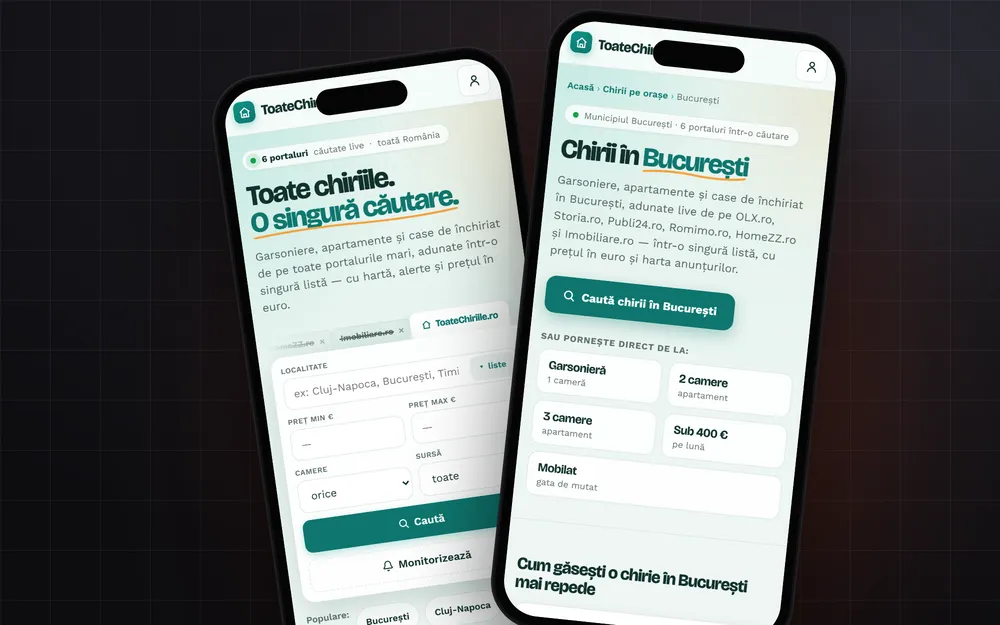
Since July 2024, Google crawls and indexes sites only with its smartphone crawler. The June 2024 announcement says it plainly: if your site's content can't be reached at all from a phone, it can no longer be indexed. For a small business, the page you see on your laptop matters less than the one a customer sees on their phone, scrolling with one thumb.
What to check, on your own phone rather than in a browser simulator:
- the text is readable without zooming;
- tapping the phone number starts a call;
- the menu opens and closes without the page jumping;
- the form can be filled in without the keyboard hiding the submit button.
There's a longer list in our post on 10 checks to run on your phone.
Speed, measured on real visitors
Google measures page experience with three numbers, the Core Web Vitals. In March 2024 the third one changed: INP (how quickly the page responds when you tap or click) replaced FID. The "good" thresholds are now:
| Metric | What it shows | Good threshold |
|---|---|---|
| LCP | how long until the main element of the page appears | 2.5 seconds or less |
| INP | how fast the page reacts to a tap or click | 200 ms or less |
| CLS | how much content shifts while loading | 0.1 or less |
The numbers are judged at the 75th percentile, so three out of four visits need to pass. On a business website, the usual suspects are oversized photos uploaded straight from a phone, the homepage slider, and scripts that pile up over time (chat widgets, maps, ad pixels). We covered INP in more detail in last year's post.
The first second: who you are, what you do, where
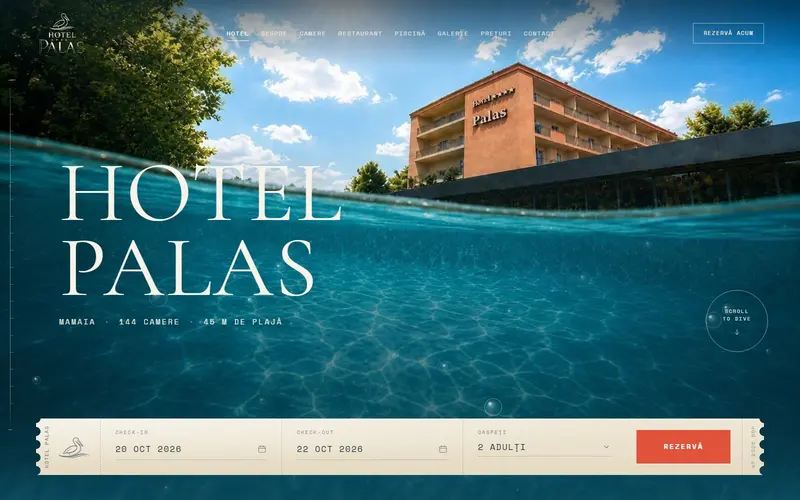
The first screen should answer three questions: what you do, who it's for, and how to get in touch. A headline like "Solutions for your business" answers none of them. "Six-room guesthouse, 2 km from the slopes" answers all three.
Order the rest of the page around the questions customers ask you on the phone: what you offer, how fast, where you are, when you're open. If you get the same question over and over, its answer deserves a section on the homepage.
What Google understands about your business
Besides the visible text, you can describe the business to search engines with LocalBusiness structured data. Google requires the name and address and recommends the phone number, opening hours, coordinates and page URL. With them, it can show your hours and details with more confidence. The data has to match what's on the page and in your Google Business Profile, or it does more harm than good.
HTTPS belongs here too. Google has used it as a ranking signal since August 2014, if a light one. The practical reason is different: your contact form sends names, phone numbers and messages, and that data has no business traveling over an unencrypted connection.
Coming in 2025: accessibility
The European Accessibility Act starts to apply on June 28, 2025. A purely informational website with no online sales isn't on the list of covered services, but once you add paid bookings or a small shop, that changes. We explained who's covered in our September post. Either way, good contrast, alt text on images and a site that works from the keyboard make it easier for everyone to use.
The short list for 2025
- Open your site on your phone and try to call, find your hours and send a message.
- Check the three Core Web Vitals in PageSpeed Insights.
- Read the first screen like a stranger: can you tell in five seconds what the business does?
- Compare the address, phone and hours on the site with those in your Google Business Profile.
- Write down what needs a monthly update: offers, photos, holiday hours.
If you want to see what we check when we rebuild a site, the steps are on our web services page.
Sources
- Mobile-first indexing has landed (Google Search Central, October 31, 2023)the move to mobile-first indexing completed
- Mobile indexing vLast final final (Google Search Central, June 3, 2024)Googlebot Smartphone only after July 5, 2024; sites unreachable on mobile can no longer be indexed
- Web Vitals, web.devLCP, INP and CLS, the good thresholds and the 75th percentile
- Local business (LocalBusiness) structured data, Google Search Centralrequired and recommended properties
- HTTPS as a ranking signal (Google Search Central, August 7, 2014)HTTPS as a lightweight ranking signal
Checked: surse Xenia Pușcașu · editare Nora Vlăsceanu · SEO Mihnea Tăbăcaru