

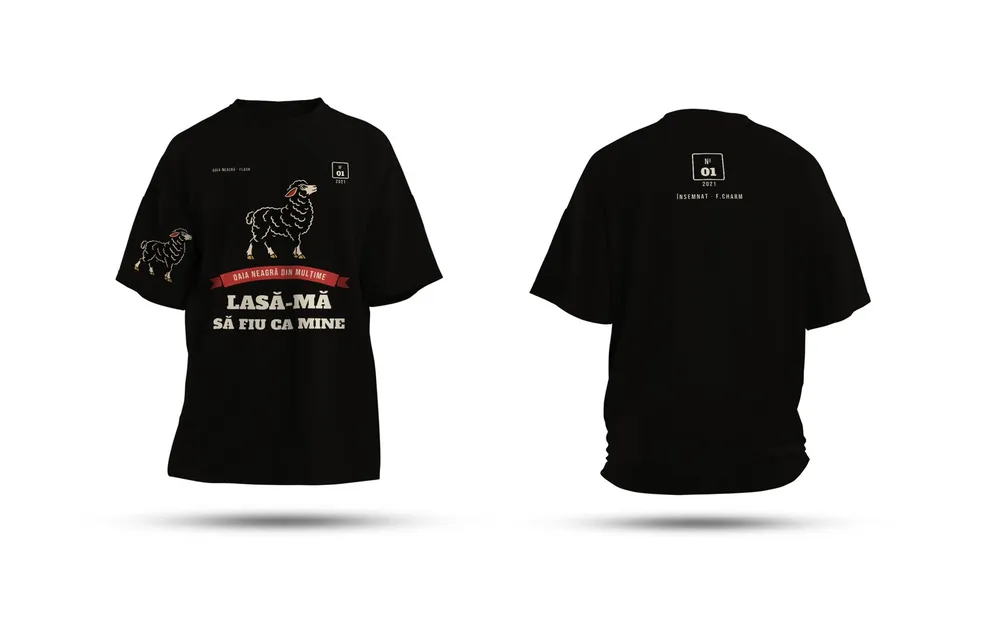

What sells at a merch stand is whatever is easy to choose, easy to carry and clearly tied to that night. A T-shirt with a strong design is still the main piece, and next to it go the small things people grab on the side: stickers, pins, a rolled poster, a tote bag. The rest is organization: the right sizes, a stand that makes sense from ten feet away and the correct label on every shirt.
What works, and why
A festival or a concert has one simple rule: people are on their feet for hours and don't want to carry anything. That changes what sells.
| Product | Why it works | What to watch |
|---|---|---|
| T-shirt | it gets worn and seen; it's the main souvenir | sizes and fabric quality |
| Canvas tote | used right away, everything else goes in it | big enough for a folded T-shirt |
| Stickers, pins | small, handy, impulse buys | a clear design that still reads small |
| Poster | collectors want it | rolled, in a tube or banded, so it doesn't crease |
| Cap, beanie | works at outdoor events | depends a lot on the season |
| Hoodie | for fall events or late nights | smaller stock, since it takes up space |
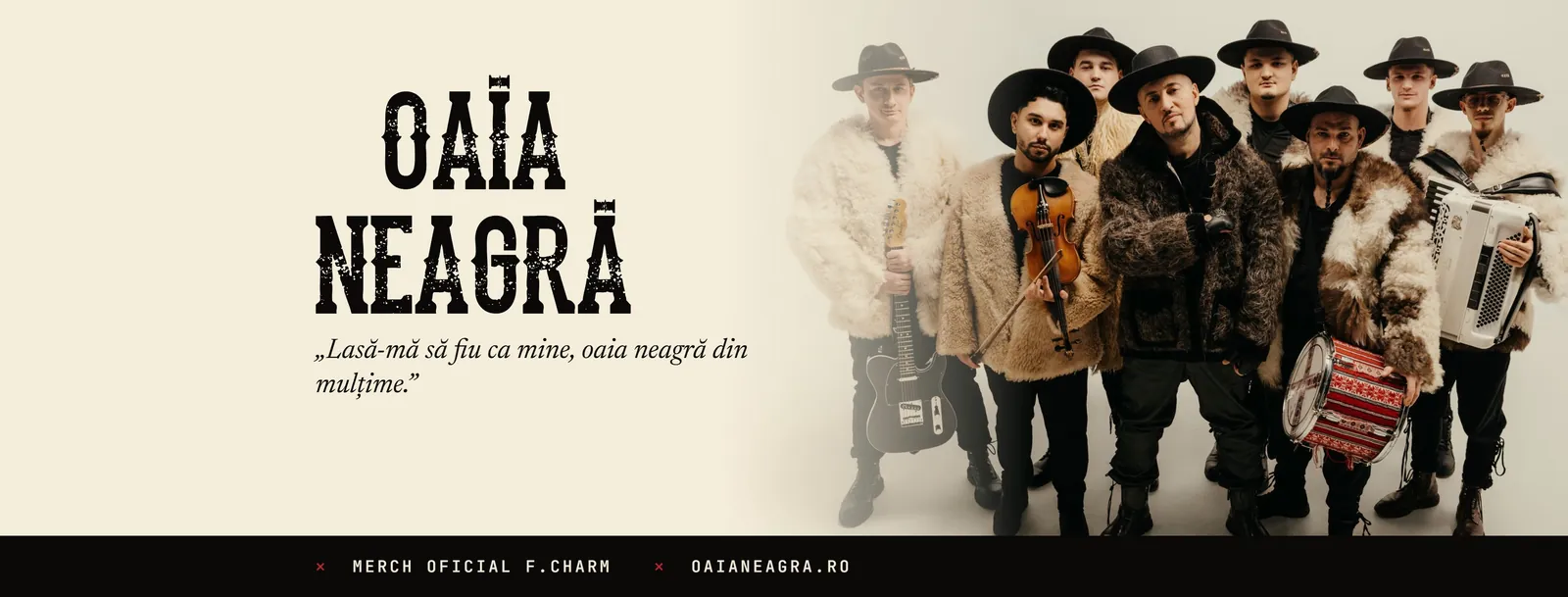
One detail makes a difference: something tied to the edition or the tour (the year, the cities, the date). A shirt with the band's name can be found online. One from this spring's tour only comes from the stand.
Design: readable from a distance, wearable afterwards
Merch design gets read twice: first from ten feet away, on the stand's wall, then on the street, on someone. A few rules from practice:
- one idea, not five. One symbol or one big word, not a collage;
- few colors. It looks cleaner and is simpler to print in volume;
- two or three designs, not ten. With too many options, people take forever to decide and the line grows;
- one version on a light shirt and one on a dark shirt, so you have something for people who don't wear black.
The print method depends on the run. For large runs of a single design, screen printing is usually the answer; for small runs with many colors, DTF. We covered the differences in detail in Screen printing, DTF or embroidery.
Sizes and stock
A common problem at the stand isn't that nothing sells. It's that the size people want runs out, and you're left with boxes of the one they don't.
- Start from data if you have it: last year's sales, another show, your online store.
- Without data, go for a mix centered on the middle sizes, with only a few pieces at the ends, and write down what sells out first.
- Put a size chart on the stand with the shirt's measurements in centimeters (and inches, if your crowd is international). Cuts differ from one blank maker to another, and people can't try things on.
- Keep stock in boxes by size, labeled on the side, so you're not digging while the line waits.
The stand: everything clear from ten feet away
- Products displayed on a wall or a board, with shirts laid flat and visible, not folded on the table.
- Prices in plain sight, large, on every item. If people have to ask, some of them walk away.
- Card payments, plus cash. And don't forget: in Romania, selling to the public means issuing a fiscal receipt; talk to your accountant before the first event.
- A banner or roll-up with your name, so the stand can be found in a crowd. On materials: Roll-up, banner, flag: materials for fairs and events.
- Rain protection: plastic for the boxes and bags for the products, if the event is outdoors.
Labels and obligations, in brief
T-shirts and hoodies are textile products, and the EU regulation on their labeling (Regulation 1007/2011) asks for two things that affect you directly:
- the fiber composition (for example, "100% cotton") must be on a label or marking whenever the product is put on sale, durable and easy to read (art. 14);
- the information must be in the official language of the country where it's sold, so Romanian in Romania (art. 16).
Blank shirts usually come with the maker's label. If you remove it and add a label with the band's name, keep the composition on the new label.
There's also a change coming: the EU's new General Product Safety Regulation (Regulation 2023/988) will apply from December 13, 2024. It treats as a "manufacturer" anyone who has a product made and sells it under their own name or trademark, which is exactly the situation of a band or a festival with its own merch. Manufacturers have to put their name or trademark, postal address and email address on the product (or, if that's not possible, on the packaging or in an accompanying document). It's a good idea to add them to the inside label or the packaging now.
If you're preparing merch for a band or an event, see what we do at Merch & Print and for stickers.
Sources
- Regulation (EU) No 1007/2011 on textile fibre names and labelling (EUR-Lex)art. 14: fiber composition on the label; art. 16(3): official language of the member state
- Regulation (EU) 2023/988 on general product safety (EUR-Lex)the definition of manufacturer, contact details on the product (art. 9(6)) and application from December 13, 2024
Checked: surse Xenia Pușcașu · editare Nora Vlăsceanu · SEO Mihnea Tăbăcaru