

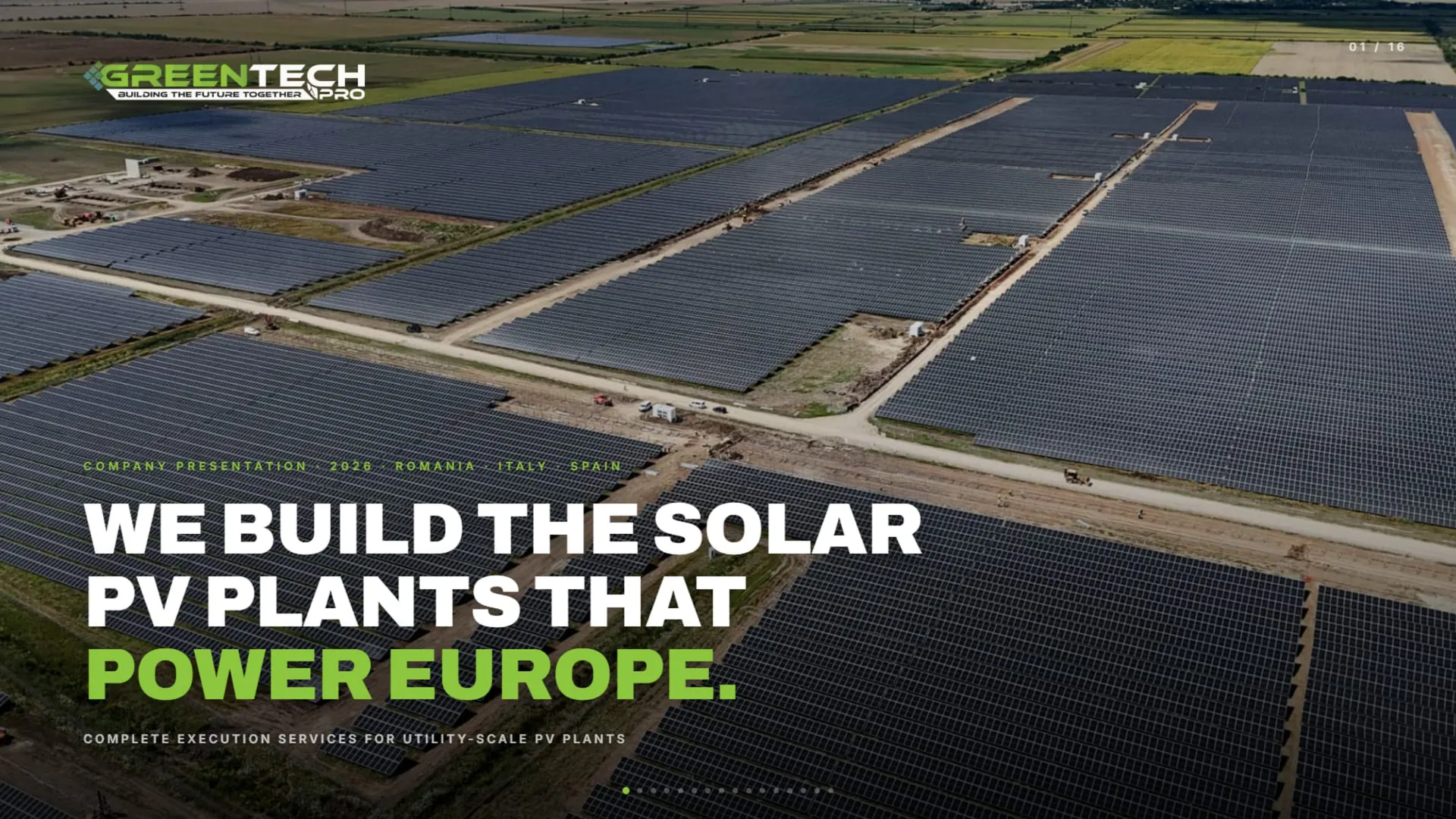
An About page convinces when it answers the questions people ask themselves before they call you: who are you, what exactly do you do, why should they trust you and how do they reach you. No "passion for excellence", no stock photos. Real people, facts they can check and your company details in plain sight.
What visitors actually look for
Nielsen Norman Group, one of the best-known usability research firms, studied About pages in 2019. The findings are practical:
- people want to know what the company does, in a phrase or a short paragraph, and how it differs from others;
- they want to know where you started, how you work and how to contact you;
- they like photos of the real people and real products;
- they see right through corporate speak, jargon and stock photography;
- they don't take the website's word for it: they check reviews elsewhere, and a hand-picked set of glowing testimonials makes them suspicious.
In short, this page isn't the place for a manifesto. It's where people check that there's someone real behind the website.
A structure that works
- What you do, in one sentence. "We build custom kitchen cabinets, from measuring to installation." If it doesn't fit in a sentence, it isn't clear to you yet either.
- Where you started. Who founded the business, why and in what year. Three or four lines of facts, not adjectives.
- The people. Real photos, names and roles, at least for the people customers will meet: whoever comes to measure, whoever answers the phone. One photo from the workshop says more than three paragraphs.
- How you work. The steps, how long things usually take, what warranty you give, what happens if something goes wrong.
- Proof. Licenses, certifications, professional memberships, with their numbers. A link to the profile where all your reviews are visible, not three handpicked quotes.
- Company details and contact. More on those below.
End the page with a single next step: one contact or quote button. Not five links.
Company details aren't optional
The EU e-Commerce Directive (2000/31/EC), written into each member state's national law, requires anyone providing an online service to make the following easily, directly and permanently accessible:
- the business name;
- the geographic address where it's established;
- contact details, including an email address;
- the trade register it's listed in and its registration number;
- the VAT number, where the activity is subject to VAT;
- for regulated professions, the professional body and professional title.
For a company in Romania, that means the company name, registered office, Trade Register number and tax ID. Put them in the footer of every page and, in more detail, on the About or Contact page. Careful visitors look for them, and leaving them out sends the wrong signal.
Google looks at the same things
Google's guidance on helpful, reliable content gives site owners a set of self-check questions. Among them: is it obvious to visitors who created the content? Does the page offer background about the author or the site that publishes it, for example through links to an author page or the site's About page?
That doesn't mean a good About page will lift you in the rankings on its own. Nobody can promise that. It means the same information that convinces a person also helps a search engine understand who's behind the site.
What to cut from the copy
| Write this | Not this |
|---|---|
| "Four of us: two installers, a designer and me." | "A young, dynamic team" |
| "We've installed over 300 kitchens since 2016." (if true and you have the records) | "Market leader" |
| "5-year warranty on hardware, written into the contract." | "Uncompromising quality" |
| Photos from the workshop and job sites | Stock photos of people shaking hands |
| Short paragraphs, subheadings | A wall of text |
The rule: every sentence should be checkable, or at least concrete enough to picture. If it could appear on any competitor's site, cut it.
If your business website needs a rethink, see also what goes on the homepage of a business website. And if you'd like to do it together, details are on our Web Design services page.
Sources
- About Us Information on Websites, Nielsen Norman Groupthe 2019 study: what users look for on About pages, real photos versus stock photos, checking reviews elsewhere
- Creating helpful, reliable, people-first content, Google Search Centralthe questions about who created the content and background about the author or site
- Directive 2000/31/EC on electronic commerce, EUR-LexArticle 5: provider information that must be easily, directly and permanently accessible
Checked: surse Xenia Pușcașu · editare Nora Vlăsceanu · SEO Mihnea Tăbăcaru